
ABA Blown Film Machine: Efficient Three-Layer Co-Extrusion Solutions for Plastic Film Production
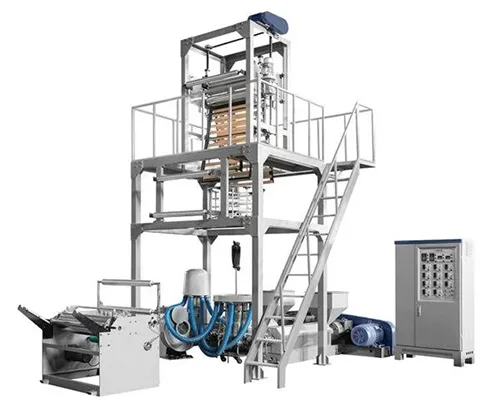
With the growing demand for high-performance plastic packaging materials, manufacturers are increasingly looking for advanced extrusion equipment that can improve film quality, reduce raw material costs, and enhance production efficiency. The ABA Blown Film Machine has become a popular choice for plastic film manufacturers because of its ability to produce three-layer co-extruded films with flexible material combinations and excellent processing performance.
As a professional plastic machinery manufacturer, SINOWIN provides blown film production solutions designed to meet the needs of modern packaging and plastic processing industries. Its ABA blown film technology helps manufacturers optimize material utilization, improve film performance, and develop competitive plastic packaging products.
Table of Contents
ToggleWhat Is an ABA Blown Film Machine?
An ABA Blown Film Machine is a three-layer co-extrusion film production system that uses two extruders to produce a three-layer plastic film structure.
The ABA structure consists of three layers: an outer A layer, a middle B layer, and another outer A layer. Two extruders are used to supply materials, with one extruder feeding both outer layers and the other supplying the middle layer.
This configuration allows manufacturers to combine different raw materials and functional properties within a single film structure.
Compared with conventional single-layer blown film equipment, an ABA blown film extrusion line provides greater flexibility in material distribution. Manufacturers can use higher-quality materials for the outer layers while incorporating suitable recycled or cost-effective materials into the middle layer, depending on the final product requirements.
Key Advantages of ABA Blown Film Technology
1. Three-Layer Co-Extrusion for Better Film Performance
One of the main advantages of an ABA blown film machine is its ability to produce three-layer films with different material characteristics.
The outer layers can be designed to provide good sealing performance, printing suitability, and surface quality, while the middle layer can contribute to film strength, thickness, and material optimization.
By adjusting the material formulation of each layer, manufacturers can develop films that meet different packaging and industrial requirements.
2. Reduced Raw Material Costs
Material costs represent a significant part of plastic film manufacturing expenses. ABA co-extrusion technology allows manufacturers to optimize the use of raw materials by distributing materials according to their functions.
For example, virgin polyethylene can be used in the outer layers to maintain surface quality and processing performance, while suitable recycled materials can be incorporated into the middle layer.
This approach can reduce dependence on virgin raw materials and improve overall material utilization, provided the recycled material meets the required quality and application standards.
3. Flexible Material Combinations
An ABA blown film machine supports different material formulations according to production requirements.
Commonly processed materials include:
LDPE (Low-Density Polyethylene)
LLDPE (Linear Low-Density Polyethylene)
HDPE (High-Density Polyethylene)
Recycled polyethylene
Customized polyethylene blends
This flexibility allows manufacturers to adjust film formulations based on required strength, flexibility, transparency, sealing characteristics, and cost targets.
4. Consistent Film Quality and Thickness
Film thickness uniformity is essential for packaging performance and downstream processing. Uneven film thickness can affect mechanical strength, printing quality, and bag-making efficiency.
A properly configured ABA blown film machine combines stable extrusion, controlled temperature, and effective cooling to support consistent film production.
Accurate process adjustment and regular equipment maintenance also help manufacturers maintain reliable output quality during continuous operation.
5. Improved Production Efficiency
Modern ABA blown film production lines are designed to support continuous industrial manufacturing.
With coordinated extrusion systems, stable film bubble control, and efficient winding processes, manufacturers can improve production consistency and reduce unnecessary material waste.
Automation and suitable control systems can further simplify operation, reduce manual adjustments, and improve production management.
Applications of ABA Blown Film Machines
ABA three-layer co-extrusion technology is suitable for manufacturing various polyethylene films used across different industries.
- Plastic Shopping Bags:ABA films can be used to produce shopping bags that require suitable tensile strength, flexibility, and reliable sealing performance.
- Garbage Bags and Trash Bags:The combination of different polyethylene materials makes ABA technology suitable for manufacturing garbage bags with customized thickness, strength, and material costs.
- Packaging Films:ABA blown film machines can produce films for general packaging, protective wrapping, and industrial packaging applications.
- Agricultural Films:Depending on the machine configuration and material formulation, ABA film production technology can also be applied to certain agricultural film products.
- Industrial Plastic Bags:Manufacturers can use ABA films for industrial packaging bags that require specific mechanical properties and customized material structures.
ABA vs. AB Blown Film Machine: What Is the Difference?
When choosing blown film equipment, manufacturers often compare ABA and AB co-extrusion configurations.
An AB blown film machine produces a two-layer film using two extruders, with each extruder supplying one layer.
An ABA blown film machine uses two extruders to create three layers, with the same material stream forming both outer A layers and the second material stream forming the middle B layer.
The main difference is the film structure and material distribution.
ABA technology provides a symmetrical three-layer structure, which can offer more flexibility in material allocation while using only two extruders. It is particularly attractive for manufacturers seeking to incorporate suitable recycled materials into the middle layer while maintaining the required properties of the outer surfaces.
The right choice depends on film specifications, raw material costs, production capacity, and final product applications.
How to Choose the Right ABA Blown Film Machine
Selecting suitable equipment is an important decision for plastic film manufacturers. Several factors should be considered before purchasing an ABA blown film production line.
1. Film Width and Thickness
Determine the required film width and thickness range according to your target products and downstream processing equipment.
2. Raw Material Requirements
Consider whether the production process will use virgin polyethylene, recycled materials, or customized material blends. The extrusion system should match the selected materials.
3. Production Capacity
Evaluate the required output and production schedule. Machine configuration should be selected according to actual manufacturing needs.
4. Automation and Control Systems
Stable temperature control, extrusion adjustment, bubble control, and winding systems are important for maintaining consistent film quality.
5. Manufacturer Experience and Technical Support
Choose a supplier that understands plastic film production and can provide appropriate equipment recommendations, installation guidance, spare parts, and technical support.
SINOWIN: Your Partner for ABA Blown Film Production
SINOWIN is dedicated to providing professional plastic machinery solutions for global customers. Its product portfolio covers blown film machines, bag making machines, flexographic printing machines, and other packaging-related equipment.
For plastic film manufacturers, SINOWIN focuses on providing equipment solutions that support production efficiency, material flexibility, and stable film output.
Whether customers are planning to establish a new film production line or upgrade existing manufacturing facilities, selecting the right ABA blown film machine requires careful consideration of material formulations, film specifications, output targets, and factory conditions.
SINOWIN aims to help customers identify suitable machinery configurations based on their individual production requirements.
Upgrade Your Film Production with SINOWIN
As the plastic packaging industry continues to evolve, manufacturers need more flexible and cost-effective production technologies. The ABA Blown Film Machine offers an effective solution for producing three-layer polyethylene films while optimizing material distribution and maintaining the required film performance.
With its two-extruder, three-layer co-extrusion structure, ABA technology provides manufacturers with opportunities to improve material utilization and expand their product capabilities.
Explore the ABA Blown Film Machine range from SINOWIN to discover suitable solutions for your plastic film production business.